As Seen With







Why the World Needs Ethical Leadership Now
Emerging technologies like AI, neurotechnology, and digital health are transforming society at an unprecedented pace. Without ethical leadership, these advancements risk amplifying inequalities, compromising privacy, and creating unforeseen societal challenges.
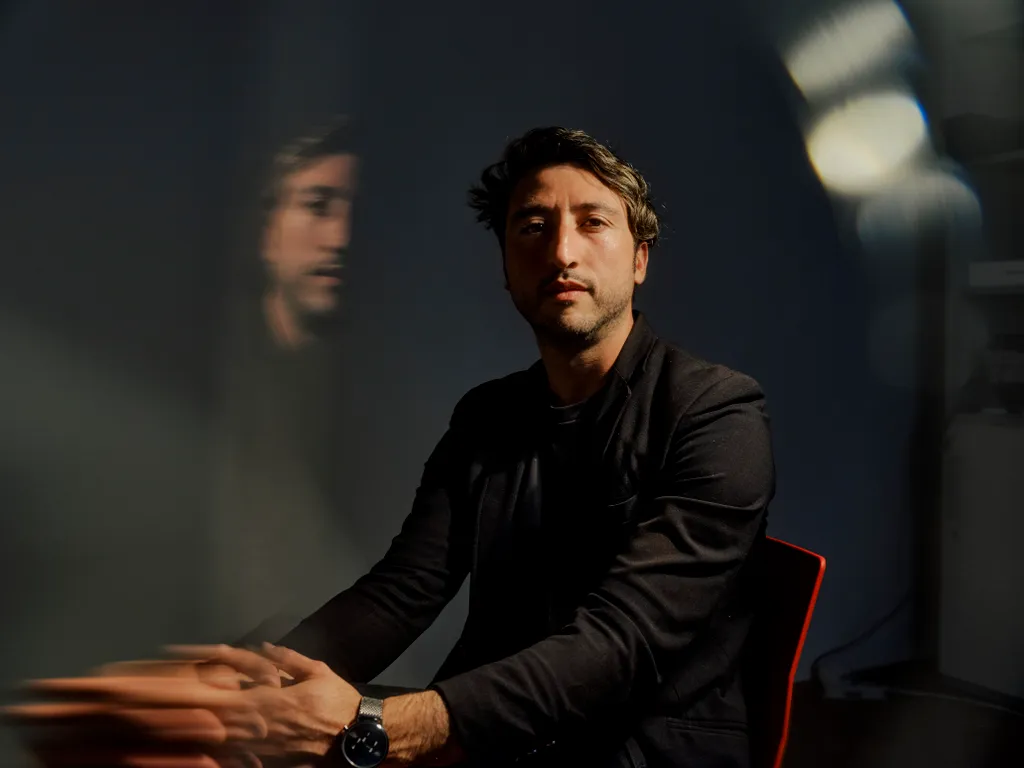
Leading the Ethics of AI and Neuroscience at TUM, Dr. Marcello Ienca’s research bridges the gap between innovation and responsibility, ensuring these technologies are designed to empower humanity. His work provides a roadmap for aligning technological progress with ethical and human-centered principles.
Research & scholarship
Publications
Explore my publications and citation profile on Google Scholar.
Latest indexed work
Source: OpenAlex, matched to verified ORCID. Snapshot 2026-10-16. Includes preprints and corrections.
- Neurotechnology governance: the operational turn
- When minds become data: brain–computer interfaces and the future of mental privacy
- Navigating the Artificial Intelligence Revolution in Clinical Neurology: A New Multidisciplinary Task Force Within the European Academy of Neurology
- Roadmap for neuromorphic organic devices
- A cross-national comparative study on forensic psychiatric evaluation in Switzerland and Italy
- A fourth pillar for evidence-based medicine: implications for psychiatry – CORRIGENDUM
- The Hybrid Mind: A Mixed-Methods Multisite Study on User Experiences and Ethical Challenges of Neurotechnologies
- A fourth pillar for evidence-based medicine: implications for psychiatry
- When the Lights Go Out: The Challenge of Neuroabandonment
- Clinically Meaningful Explainability for NeuroAI: An ethical, technical, and clinical perspective
- When forensic psychiatry clashes with jurisdiction: nemesis and challenges of a patient suffering from glioblastoma
- Explainability in AI-enabled medical neurotechnology: a scoping review
Daily cached updates from OpenAlex or ORCID, with a saved fallback. Index coverage and dates may differ from Google Scholar.
Selected archive
2025 Publications 19
- Schopp L, Starke G, Ienca M. Clinician perspectives on explainability in AI-driven closed-loop neurotechnology. Scientific Reports 15(1), 34638. Cited by: 1
- Rana D, Babushkina N, Gini M, Flores Cáceres A, Li H, Maybeck V, et al. Neural vs Neuromorphic Interfaces: Where Are We Standing? Chemical Reviews 125(19), 9092-9139. Cited by: 2
- Cassinadri G, Ienca M. The Hybrid Mind: A framework for cognitive integrations with neural interfaces. Book of Abstracts 26(4), 12.
- Haag L, Starke G, Ploner M, Ienca M. Ethical gaps in closed-loop neurotechnology: a scoping review. NPJ Digital Medicine 8(1), 510. Cited by: 6
- Ienca M, Buchholz O, Vayena E. AI Ethical Principles: The Debate. A Companion to Digital Ethics , 101-112.
- Schopp L, Starke G, Ienca M. What Explanation? Clinician Perspectives on Explainability in AI-driven Closed-loop Neurotechnology.
- Starke G, Ienca M. AI, neurotechnology and society—a question of trust. Nature Reviews Neurology , 1-2. Cited by: 2
- Fasoli M, Cassinadri G, Ienca M. The Dark Side of Cognitive Enhancement: A Framework for the Technologically Induced Cognitive Diminishment. Journal of Cognitive Enhancement , 1-14. Cited by: 8
- D'Imperio A, Ienca M. Deep brain stimulation and suicide attempts in treatment-resistant patients: a case report and neuroethical analysis (vol 15, 1398777, 2024). Frontiers in Psychiatry 16.
- D'Imperio A, Ienca M. Corrigendum: Deep brain stimulation and suicide attempts in treatment-resistant patients: a case report and neuroethical analysis. Frontiers in Psychiatry 16, 1619883.
- Spitale G, Germani F, Earp BD, Mann SP, Barış M, Annoni M, Aramesh K, et al. On Religious Influence in Bioethics: The Limits of Pluriversalism. Bioethics . Cited by: 1
- Lahr J, Schulze N, Wüst LN, Beisbart C, Bruhin LC, Ienca M, Nef T, et al. Ethics of Sensor-Based Surveillance of People with Dementia in Clinical Practice. Sensors (Basel, Switzerland) 25(7), 2252.
- Popp J, Kressig RW, Bieler-Aeschlimann M, Rabl M, Ienca M, Monsch AU, et al. Conference report: Trends, new technologies and implications for dementia diagnostics, treatment and care in Switzerland. Swiss Medical Weekly 155.
- Lavazza A, Balconi M, Ienca M, Minerva F, Pizzetti FG, Reichlin M, et al. Neuralink's brain-computer interfaces: medical innovations and ethical challenges. Frontiers in Human Dynamics 7, 1553905. Cited by: 17
- Ahmed AAA, Alegret N, Almeida B, Alvarez-Puebla R, Andrews AM, et al. Interfacing with the brain: How nanotechnology can contribute. ACS Nano 19(11), 10630-10717. Cited by: 29
- Ienca M, Valle G, Raspopovic S. Clinical trials for implantable neural prostheses: understanding the ethical and technical requirements. The Lancet Digital Health 7(3), e216-e224. Cited by: 18
- Starke G, Gille F, Termine A, Aquino YSJ, Chavarriaga R, Ferrario A, et al. Finding consensus on trust in AI in health care: recommendations from a panel of international experts. Journal of Medical Internet Research 27, e56306. Cited by: 25
- Ienca M. Converging Ethics and Policy for Human-AI Symbiosis. 2025 Annual Meeting .
- Rubner J, Ienca M. The Ethics and Policy of Neural Interfaces: Maximizing Benefit, Minimizing Risk. 2025 Annual Meeting .
2024 Publications 13
- Buthut M, Starke G, Akmazoglu TB, Colucci A, Vermehren M, et al. HYBRIDMINDS—summary and outlook of the 2023 international conference on the ethics and regulation of intelligent neuroprostheses. Frontiers in Human Neuroscience 18, 1489307. Cited by: 6
- Magee P, Ienca M, Farahany N. Beyond neural data: Cognitive biometrics and mental privacy. Neuron 112(18), 3017-3028. Cited by: 50
- Schönweitz FB, Ruess AK, McLennan S, Buyx A, Ienca M. Where is the exit? The ethical importance of exit plans in clinical trials with neural implants. Brain Stimulation 17(5), 1145-1154. Cited by: 2
- Starke G, Akmazoglu TB, Colucci A, Vermehren M, van Beinum A, et al. Qualitative studies involving users of clinical neurotechnology: a scoping review. BMC Medical Ethics 25(1), 89. Cited by: 7
- Cassinadri G, Ienca M. Non-voluntary BCI explantation: assessing possible neurorights violations in light of contrasting mental ontologies. Journal of Medical Ethics . Cited by: 14
- Starke G, Ienca M. Misplaced trust and distrust: how not to engage with medical artificial intelligence. Cambridge Quarterly of Healthcare Ethics 33(3), 360-369. Cited by: 43
- Ienca M, Starke G. Brains and Machines: Towards a unified Ethics of AI and Neuroscience. Elsevier . Cited by: 2
- Rivas Velarde MC, Lovis C, Ienca M, Samer C, Hurst S. Consent as a compositional act–a framework that provides clarity for the retention and use of data. Philosophy, Ethics, and Humanities in Medicine 19(1), 2. Cited by: 2
- Helbing D, Ienca M. Why converging technologies need converging international regulation. Ethics and Information Technology 26(1), 15. Cited by: 27
- Ienca M, Vayena E. Digital Nudging. The Oxford Handbook of Digital Ethics , 356.
- Vayena E, Ienca M. Digital Nudging: Exploring the Ethical Boundaries. The Oxford Handbook of Digital Ethics , 356-377.
- D'Imperio A, Ienca M. Deep brain stimulation and suicide attempts in treatment-resistant patients: a case report and neuroethical analysis. Frontiers in Psychiatry 15. Cited by: 2
- Ienca M. Epilogue: Harmonizing the ethical symbiosis of brains and machines. Developments in Neuroethics and Bioethics 7, 271-275.
2023 Publications 10
- Ligthart S, Ienca M, Meynen G, Molnar-Gabor F, Andorno R, Bublitz C, et al. Minding rights: Mapping ethical and legal foundations of 'neurorights'. Cambridge Quarterly of Healthcare Ethics 32(4), 461-481. Cited by: 129
- Starke G, D'Imperio A, Ienca M. Out of their minds? Externalist challenges for using AI in forensic psychiatry. Frontiers in Psychiatry 14, 1209862. Cited by: 15
- Jotterand F, Ienca M. The Routledge handbook of the ethics of human enhancement. Taylor & Francis . Cited by: 18
- Ienca M. On artificial intelligence and manipulation. Topoi 42(3), 833-842. Cited by: 153
- Gilbert F, Ienca M, Cook M. How I became myself after merging with a computer: Does human-machine symbiosis raise human rights issues? Brain Stimulation 16(3), 783-789. Cited by: 67
- Ienca M. Don't pause giant AI for the wrong reasons. Nature Machine Intelligence 5(5), 470-471. Cited by: 39
- Soekadar SR, Vermehren M, Colucci A, Haslacher D, Bublitz C, Ienca M, et al. Future developments in brain/neural–computer interface technology. Policy, Identity, and Neurotechnology: The Neuroethics of Brain-Computer… . Cited by: 16
- Ienca M. Medical data sharing and privacy: a false dichotomy? Swiss Medical Weekly 153(1), 40019-40019. Cited by: 13
- Ligthart S, Ienca M, Meynen G, Molnar-Gabor F, Andorno R, Bublitz C, et al. Minding Rights.
- Landers C, Wies B, Ienca M. Ethical considerations of digital therapeutics for mental health. Digital Therapeutics for Mental Health and Addiction , 205-217. Cited by: 4
Publication details and citation counts reproduced from the existing website; counts are not live.
Prof. Dr. Marcello Ienca
Expertise Domain
- AI Ethics
- Neuroscience
- Technology Policy
About
Marcello Ienca
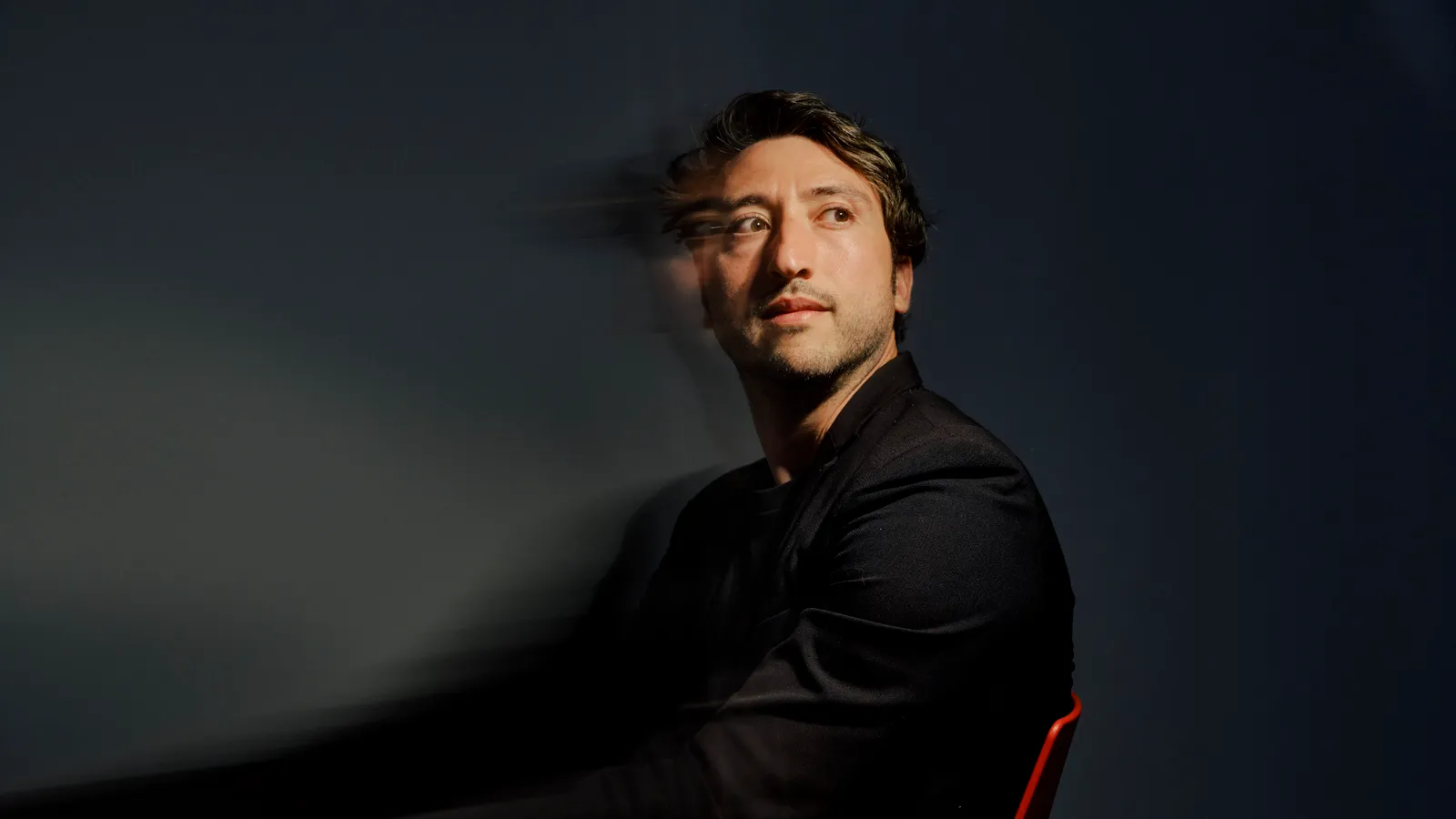
Prof. Ienca is a globally recognized leader in the ethics of artificial intelligence and neuroscience. His groundbreaking research, which has shaped international standards, focuses on human-centered innovation at the intersection of AI, neurotechnology, and society.
With a career spanning prestigious institutions, Prof. Ienca has advised UNESCO, UNICEF, and the OECD, written for top scientific journals, and earned numerous awards for his contributions to ethical science. His work empowers organizations and policymakers to lead responsibly in a rapidly evolving technological landscape.
TEDx Talk
Human-AI Symbiosis and the Quest for Neurorights
Human-AI Symbiosis
and the Quest for Neurorights
Loading the player connects to YouTube.
Prof. Dr. Marcello Ienca’s work is driven by the belief that ethical innovation is not just a necessity but a transformative force. By combining academic rigor, global policy experience, and a commitment to social justice, he addresses the toughest ethical challenges in AI and neuroscience. Whether through research, teaching, or advocacy, his vision extends beyond academia to inspire organizations and individuals to create a more just, equitable future.
Stay Up-to-Date with Marcello Ienca?
ContactEthics-Focused Research
Collaborate on cutting-edge studies shaping AI and neuroethics.
Policy and Strategy Advisory
Receive expert guidance on ethical frameworks for technology implementation
Engaging Keynotes
Inspire your team or audience with thought-provoking talks on ethical innovation.